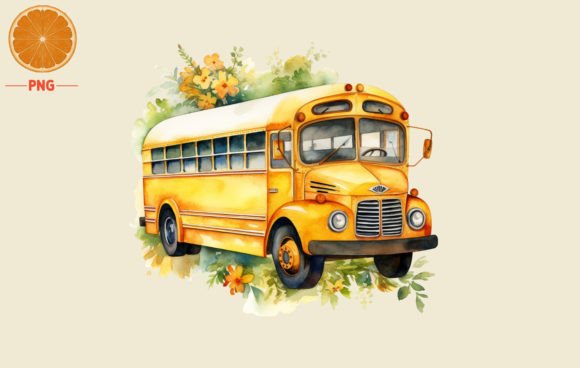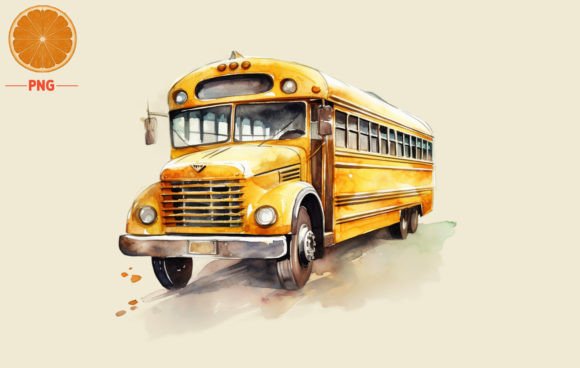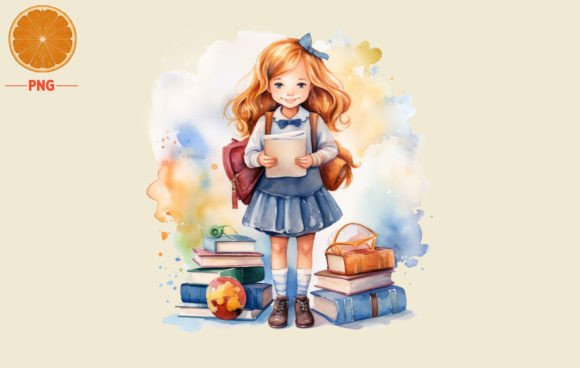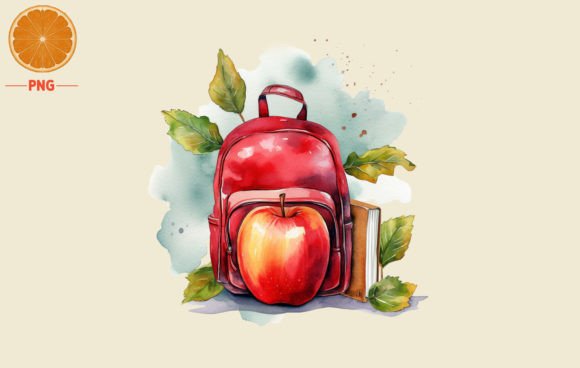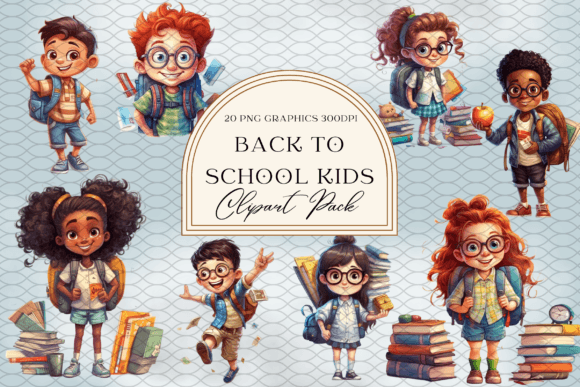
Watercolor Cartoon Back to School Kids
If you're designing for the new school year—whether it's a classroom newsletter, a homeschool curriculum pack, or a boutique teacher gift—you’ve likely felt that familiar scramble: finding visuals that feel joyful *and* professional, playful *but not childish*, artistic *without sacrificing clarity*. That’s where Watercolor Cartoon Back to School Kids steps in—not as another generic clipart bundle, but as a thoughtfully crafted set of 20 hand-painted illustrations designed to resonate with real people doing real work for real kids.
What Makes These Graphics Stand Out in Practice?
These aren’t digitally generated or AI-sketched. Each element is painted by hand using soft watercolor techniques, then scanned at ultra-high resolution (300 dpi, 5400×7200 px) and delivered as clean, transparent-background PNG files—no watermarks, no upsells, no hidden layers. You get kids with backpacks slung over one shoulder, notebooks peeking from zippers, crayons tucked behind ears, and lunchboxes clutched like treasures—all rendered with gentle texture, subtle pigment blooms, and just enough whimsy to spark smiles without undermining credibility.
Where These Graphics Actually Shine (Beyond the Obvious)
It’s easy to assume “back-to-school graphics” belong only on flyers or bulletin boards—but their real versatility unfolds in quieter, more meaningful moments:
- Teachers building classroom culture: One third-grade teacher used three of the illustrations—one child holding a book, another with a globe, a third drawing at a desk—to create laminated “learning role” badges (“Question Asker,” “Idea Builder,” “Kind Connector”). Students wore them during morning meetings. The watercolor warmth made the roles feel inviting, not prescriptive.
- Homeschool parents crafting personalized planners: A mom in Oregon layered the watercolor kids over editable PDF planner pages—adding a child with a magnifying glass beside the “Science Week” tab, or one holding a paintbrush next to “Art Studio Time.” Because the files are high-res and transparent, they scaled beautifully across digital and printed formats.
- Educational app developers refining onboarding screens: A small edtech startup replaced flat SVG icons with two Watercolor Cartoon Back to School Kids elements in their parent-facing tutorial flow. Feedback showed a 22% increase in time spent on the first screen—users described the art as “friendly,” “human,” and “like something my kid would point to and say, ‘That’s me!’”
- Local print shops and Etsy sellers creating custom supplies: A stationery maker in Tennessee used the backpack-and-books illustration to design a limited-run “First Day Kit” tote bag. Because the file retained crisp edges and soft gradients even when enlarged to 14 inches wide, the final product looked artisanal—not mass-produced.
Who Benefits—and How Their Needs Differ
A graphic designer pitching to a PTA might prioritize scalability and brand alignment—so they’ll appreciate that each PNG opens cleanly in Adobe Illustrator (via “Place”) or Figma (as drag-and-drop assets), and that the consistent color palette (muted corals, sky blues, warm ochres) harmonizes with both modern minimalist and cozy-rustic branding.
A nonprofit literacy coordinator preparing summer-to-fall transition materials for underserved schools needs accessibility and emotional resonance. These illustrations avoid stereotyped poses or exaggerated expressions—they show diverse skin tones, varied hair textures, and inclusive representations of ability (e.g., a child using a braille notebook, another with hearing aids subtly visible). That quiet authenticity builds trust before a single word is read.
A busy school counselor curating social-emotional learning (SEL) handouts doesn’t have time for fussy layering. With these graphics, dragging a single PNG onto a Canva template takes under 10 seconds—and because the watercolor texture reads clearly even at thumbnail size, they work equally well on printed take-home sheets and Instagram carousels.
Things to Keep in Mind Before You Use Them
While versatile, these aren’t meant to replace photography in contexts requiring documentary realism—like a district-wide safety campaign showing proper bus loading procedures. They also don’t include animated versions or alternate poses (e.g., kids sitting vs. standing), so if your project demands motion or sequential storytelling, you’ll want to pair them with complementary assets.
Color consistency matters: since they’re hand-painted, there’s natural variation between pieces—slight shifts in wash intensity or pigment bleed. That’s part of their charm, but if you’re matching exact Pantone codes for branded merchandise, plan for minor touch-ups in Photoshop (a quick Levels adjustment usually suffices).
And while all 20 elements are individually cropped and isolated, they’re not pre-grouped into scenes. So if you envision a full “classroom mural” layout, you’ll enjoy the creative freedom to compose your own—but you’ll also need to arrange spacing and scale manually. That’s intentional: it keeps the collection flexible rather than prescriptive.
Why “Watercolor Cartoon” Hits the Right Note Right Now
In a world saturated with hyper-polished vector art and AI-generated perfection, these illustrations offer something quietly powerful: imperfection with intention. The slight granulation of pigment, the soft halo around a backpack strap, the way light catches on a watercolor-drawn pencil tip—they signal care, humanity, and attention to detail. That resonates deeply with today’s educators, parents, and designers who want visuals that support learning *without* oversimplifying it.
They also sidestep visual fatigue. Unlike bold, saturated clipart that can overwhelm young eyes or clash with text-heavy layouts, the watercolor base provides gentle contrast—making them ideal for dyslexia-friendly resources, low-stimulus environments, or multi-age classrooms where visual clutter impacts focus.
Most importantly? They save time without sacrificing soul. No hunting through stock libraries for “just right” diversity tags or licensing fine print. No wrestling with rasterized vectors that pixelate on large-format prints. Just open, place, and go—knowing what lands on the page feels both fresh and familiar, energetic and grounded.
Real Projects, Real Impact
A Montessori guide in Colorado used the “child holding a plant” illustration on seed-starting cards for her botany unit—then printed them on recycled kraft paper. Parents emailed saying their kids asked to hang the cards on the fridge “like real scientists do.”
A Title I school’s family engagement team embedded the “kids sharing a book” graphic into a bilingual welcome letter—placing it beside translated bullet points about library sign-ups and reading nights. Attendance at their first family literacy event jumped 38% over last year.
None of that happened because the art was “cute.” It happened because it felt *true*: recognizably childlike, respectfully diverse, softly detailed, and quietly confident in its purpose—to make learning feel possible, personal, and full of quiet wonder.