Back to School Fluffy Cuddly Animals: Warmth, Clarity, and Smart Design Choices
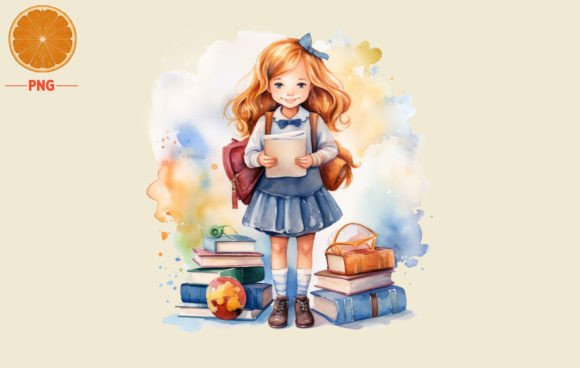
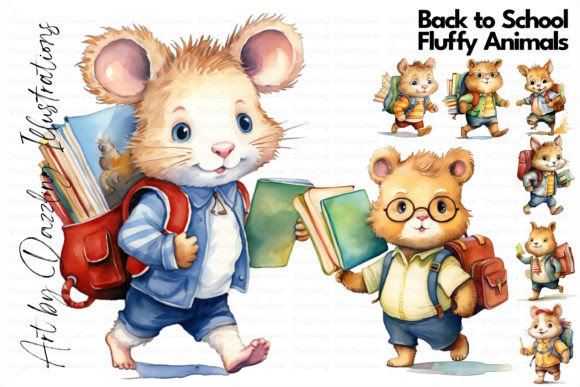
There’s a quiet magic in the way soft watercolor textures and expressive animal characters can soften the transition back to school—especially for young learners, nervous first-graders, or even educators setting a welcoming tone. The Back to School Fluffy Cuddly Animals clipart pack taps into that feeling: eight hand-drawn, whimsical animals—bears, foxes, bunnies, owls, and more—each gently cradling books or wearing tiny backpacks, rendered in warm, layered watercolor strokes. It’s not just decoration; it’s emotional scaffolding for learning environments.
Why These Illustrations Stand Out (and Why That Matters)
Unlike generic cartoon icons or over-saturated PNG bundles, this collection prioritizes intentionality. Each animal has subtle texture, gentle shadows, and breathing room—qualities that translate beautifully across printed handouts, digital slides, laminated posters, and even embroidered classroom banners. That warmth isn’t accidental: watercolor art naturally evokes approachability and calm, helping reduce visual overwhelm in busy classroom spaces.
But here’s where many creators stumble—not because they’re inexperienced, but because they overlook how illustration style interacts with real-world use cases. Let’s clarify what often goes unnoticed—and how to avoid it.
Mistake #1: Assuming “cute” means “universal”
Adorable doesn’t automatically mean inclusive or age-appropriate. A fluffy owl clutching a textbook might delight kindergarteners—but feel infantilizing in a middle-school science unit or a professional development workshop for teachers. Before downloading or purchasing, ask: Who is my audience? What tone does this support—not just aesthetically, but pedagogically? For example, pairing a soft-watercolor bear with clean sans-serif typography and minimal background keeps it friendly yet grounded for grades 3–5. But layering it over busy patterns or using it alongside overly playful fonts risks undermining credibility.
Mistake #2: Overlooking file format and scalability
This pack delivers watercolor illustrations as high-resolution PNGs with transparent backgrounds—ideal for layering over photos or color blocks. Yet some users assume they’ll scale infinitely like vector files. Watercolor textures rely on pixel detail; zooming beyond 200% may reveal soft edges turning blurry or grainy. If you need large-format prints (like 24" × 36" bulletin boards), test one image at full size before designing your entire set. Better yet: use these illustrations at their native resolution for digital slides or letter-sized handouts—and reserve bold, simplified icons for oversized displays.
Mistake #3: Ignoring color consistency across projects
Watercolor palettes are intentionally varied—soft lavenders, warm ochres, muted sage greens—but that variation can unintentionally clash if you mix these animals with other clipart sets using saturated primaries or stark black-and-white line art. Before building a full resource library, pull three favorite animals into a mock-up alongside your existing fonts, brand colors, and common background tones. Does the warmth harmonize—or compete? If your school uses navy and gold, try adjusting brightness/contrast slightly in editing software (not saturation) to preserve watercolor integrity while ensuring cohesion.
Mistake #4: Underestimating licensing scope
The pack includes commercial use rights—great for teachers selling lesson plans on TpT or small businesses designing welcome kits. But “commercial use” doesn’t mean unlimited redistribution. You can’t resell the raw PNGs as standalone clipart, nor bundle them into a new clipart pack for resale. It *does* allow you to embed them in editable Canva templates, PDF workbooks, or printed parent newsletters—even if those are sold. Always verify the license details before launching a product. When in doubt, reach out to the creator: reputable designers respond promptly and clarify boundaries without hesitation.
What to Check Before You Commit
Before adding Back to School Fluffy Cuddly Animals to your toolkit, take two minutes to review:
- Resolution specs: Confirm each file is at least 300 DPI at standard print sizes (e.g., 8.5" × 11")—this ensures crispness on handouts and posters.
- Background treatment: All images include transparent backgrounds, so they integrate smoothly over photos, gradients, or patterned paper—no white boxes interrupting your design flow.
- Animal variety: Eight distinct characters mean flexibility—you can assign each to a different subject area (e.g., the fox for science, the bunny for literacy) and build thematic continuity across your curriculum.
- Editing friendliness: Because they’re raster-based but cleanly cut, you can easily adjust hue, brightness, or contrast in free tools like Photopea or Canva—without losing watercolor nuance.
A Smarter Way to Use These Illustrations
Think beyond borders and bulletin boards. Try these practical, classroom-tested applications:
- Personalized reading logs: Insert a different fluffy animal beside each student’s name—small, consistent, and emotionally resonant.
- Digital feedback stamps: Convert one animal into a gentle “Great thinking!” or “Try again!” stamp for Google Slides or Seesaw comments—softer than stars or checkmarks, more memorable than text.
- Parent communication headers: Place a single watercolor animal above a monthly newsletter headline—adds warmth without crowding important information.
- Behavior charts with heart: Replace abstract tokens with illustrated “backpack badges”—students earn a new animal each week, reinforcing growth mindset through storytelling, not just points.
Ultimately, the value of Back to School Fluffy Cuddly Animals isn’t just in its charm—it’s in how thoughtfully it supports clarity, connection, and calm during a season often filled with logistical noise. When chosen with intention and applied with awareness, these illustrations don’t distract from learning—they quietly uphold it.
So whether you’re prepping your first-grade classroom, launching an online course for homeschoolers, or designing a district-wide orientation kit, let these cuddly companions do more than decorate. Let them invite, reassure, and remind everyone—students and educators alike—that learning begins with feeling seen, safe, and gently encouraged.